
Estimated reading time: 5-minutes
Quarter 1 is when many business leaders take a hard look at growth.
You’re reviewing last year’s results, evaluating your team’s capacity, and asking an important question:
“Do we have the right people in place to reach our goals this year?”
You may already know you need to hire. But the next thoughts usually follow quickly:
- Where do we find qualified candidates?
- How do we hire without slowing down operations?
- Will remote workers really integrate with our team?
- What if we hire someone who doesn’t understand our workflow?
These are the same concerns we hear from companies every day.
At NoGigiddy, we work with businesses that want to grow, but also want to hire smartly and efficiently. The key isn’t just finding remote workers, it’s finding remote talent that truly fits your business.
In this article, we’ll walk through:
- How to identify the right remote talent for your company
- How to set expectations that lead to strong performance
- How to train remote employees for long-term success
- How to build flexible teams that support business growth
Let’s take a closer look at how remote hiring can help your business scale.
Why Businesses Are Turning to Remote Hiring
Remote hiring is quickly becoming a core strategy for companies that want to remain competitive.
When businesses expand their hiring beyond geographic boundaries, they unlock several advantages:
- Access to a broader talent pool
- Faster hiring timelines
- Reduced overhead costs
- Greater flexibility when scaling teams
For startups and growing companies alike, remote hiring offers the opportunity to build teams that can adapt as the business evolves.
Instead of limiting your search to local candidates, you gain access to professionals who may have exactly the expertise your company needs.
Step 1: Define What “The Right Fit” Means for Your Business
One of the biggest hiring mistakes companies make is focusing only on technical skills.
While experience matters, the best remote employees also align with your company’s work style and expectations.
Before posting a job, consider:
- What responsibilities will this role own?
- What outcomes will define success?
- How will this person collaborate with the team?
- What communication style works best for your organization?
When you define these expectations early, it becomes easier to identify candidates who will truly fit your business.
Clear expectations also help new hires perform confidently from day one.
Related article: https://gigs.nogigiddy.com/blog/how-to-write-a-job-post-that-stands-out-in-a-crowded-market
Step 2: Hire Candidates Experienced in Remote Work
Remote work requires a slightly different skill set than traditional office roles.
Successful remote professionals often demonstrate:
- Strong self-management skills
- Clear written communication
- Accountability for deadlines
- Comfort using digital collaboration tools
- The ability to work independently while staying aligned with a team
During interviews, consider asking candidates how they organize their workday, how they communicate progress, and how they stay productive without constant supervision.
These insights can help you identify candidates who will thrive in a remote environment.
Step 3: Train Remote Employees for Long-Term Success
Hiring talented remote employees is only part of the equation.
Training plays a critical role in ensuring new team members integrate smoothly into your workflow.
Effective remote onboarding typically includes:
Clear documentation
Provide written guides for tools, processes, and expectations.
Structured onboarding schedules
Outline what employees should focus on during their first 30 days.
Regular check-ins
Frequent communication early on helps employees stay aligned.
Performance feedback
Timely feedback allows new hires to adjust quickly and improve.
When training is intentional and structured, remote employees become productive members of your team faster.
Step 4: Build a Culture of Communication and Accountability
Many leaders initially worry that remote teams will struggle with communication.
In reality, remote teams often become stronger communicators because they rely on clear systems.
Strong remote cultures typically include:
- Consistent team meetings
- Clear project management systems
- Defined response expectations
- Transparent performance metrics
When communication systems are built intentionally, employees remain connected and accountable—even when working from different locations.
Step 5: Use the Right Platform to Find Remote Talent
Another key factor in successful remote hiring is where you look for candidates.
Traditional job boards often attract applicants who are simply exploring remote work. Remote-focused platforms, however, attract candidates actively seeking distributed roles.
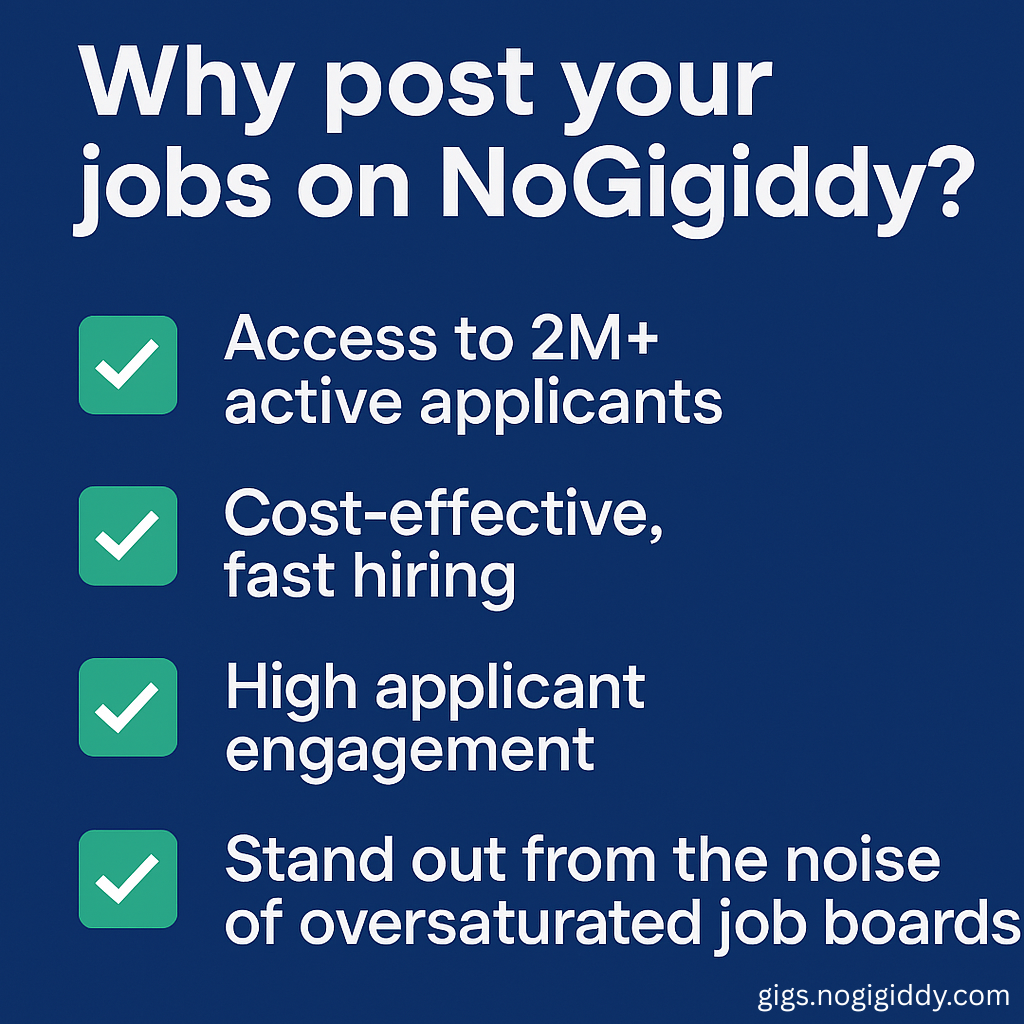
Using a remote-first job board helps businesses:
- Connect with professionals already comfortable working remotely
- Reach candidates actively looking for remote opportunities
- Reduce time spent screening unqualified applicants
- Fill roles faster with higher-quality candidates
This approach streamlines the hiring process and increases the likelihood of finding candidates who truly fit your organization.
Related article: https://gigs.nogigiddy.com/blog/find-skilled-remote-workers-in-one-place
Start Finding Remote Talent Today
If your company is preparing to grow this year, building the right team is one of the most important steps you can take.
At NoGigiddy, businesses can connect with skilled remote professionals who are actively seeking opportunities and ready to contribute.
Whether you're a startup building your first team or a growing company expanding your workforce, the right remote talent can help move your business forward.
Post your first job for free today:
Find remote talent that fits your business—and start building a team that grows with you.