Estimated reading time: 5-minutes
Quarter 1 often brings a moment of reflection for business leaders.
You’re reviewing goals, planning growth, and evaluating whether your current team can support what you want to accomplish this year. Somewhere in that planning process, a question often surfaces:
“Does remote hiring actually work for my business?”
Maybe you’ve seen other companies embrace remote teams. Maybe you’ve heard about the cost savings and the access to global talent. But you may still be thinking:
- Will remote workers stay productive?
- How do I manage people who aren’t in the same office?
- Can remote employees really integrate into my company culture?
- What if I hire the wrong person and it slows us down?
These are valid questions—and they’re the same ones many business owners ask before building their first remote team.
The truth is, when remote hiring is done thoughtfully, it can become one of the most powerful tools for scaling your business.
In this article, we’ll explore how remote hiring works, how to train remote employees for success, and how businesses can build strong distributed teams that support long-term growth.

Why Remote Hiring Is Becoming a Business Advantage
The modern workforce has changed significantly over the past few years. Many professionals now prefer remote opportunities, and businesses are discovering the benefits of hiring beyond geographic boundaries.
Remote hiring allows businesses to:
- Access skilled professionals regardless of location
- Reduce overhead costs tied to physical office space
- Build flexible teams that can adapt as the company grows
- Fill positions faster by expanding the talent pool
For startups and growing companies especially, remote hiring offers the flexibility to scale without dramatically increasing operational expenses.
Step 1: Start With Clear Roles and Expectations
One of the biggest factors in successful remote hiring is clarity.
When employees work remotely, they cannot rely on quick desk conversations or in-person check-ins to understand expectations. That means roles must be clearly defined from the start.
Before hiring a remote employee, outline:
- Key responsibilities
- Performance metrics
- Project timelines
- Communication expectations
When remote workers understand exactly what success looks like, they are far more likely to perform confidently and efficiently.
Clear expectations also reduce confusion and build trust between managers and employees.
Step 2: Hire Candidates Who Are Comfortable Working Remotely
Remote work requires a specific set of skills that go beyond technical expertise.
Successful remote employees tend to demonstrate:
- Strong self-discipline
- Clear written communication
- Time-management skills
- Accountability for deadlines
- Comfort using collaboration tools
When interviewing candidates, it can be helpful to ask about their previous experience with remote work and how they stay organized and productive without direct supervision.
Hiring individuals who already thrive in remote environments makes the transition much smoother for both the employee and the business.
Related article: https://gigs.nogigiddy.com/blog/why-you-should-always-test-for-skills-not-just-talk
Step 3: Train Remote Workers for Success
Even the most talented employees need guidance when joining a new organization.
Strong onboarding helps remote employees understand how your business operates and how their work contributes to company goals.
Effective remote training often includes:
Structured onboarding plans
Outline what new hires should learn and accomplish during their first few weeks.
Clear documentation
Provide written guides for tools, workflows, and internal processes.
Regular check-ins
Frequent communication helps employees stay aligned and ask questions early.
Feedback and coaching
Constructive feedback helps remote workers adjust quickly and improve performance.
Training ensures that remote employees feel supported and confident in their roles.
Step 4: Build a Culture of Communication and Accountability
Many leaders initially worry that remote work will reduce communication. In reality, strong remote teams often communicate more intentionally than traditional office teams.
Successful remote organizations typically rely on:
- Regular team meetings
- Clear project management systems
- Transparent goals and deadlines
- Open communication channels
These systems allow employees to stay connected while maintaining independence in how they complete their work.
When communication is structured and consistent, remote teams remain aligned and productive.
Step 5: Focus on Results, Not Just Hours
One of the advantages of remote work is the shift toward outcome-based performance.
Instead of focusing on how many hours someone sits at a desk, successful companies measure productivity through results.
This approach encourages employees to:
- Take ownership of their responsibilities
- Manage their time effectively
- Deliver meaningful contributions to the business
When teams focus on results, flexibility becomes an advantage rather than a risk.
Related article: https://gigs.nogigiddy.com/blog/build-a-remote-team-that-delivers

Ready to Build Your Remote Team?
If you're considering remote hiring for your business, the next step is connecting with the right candidates.
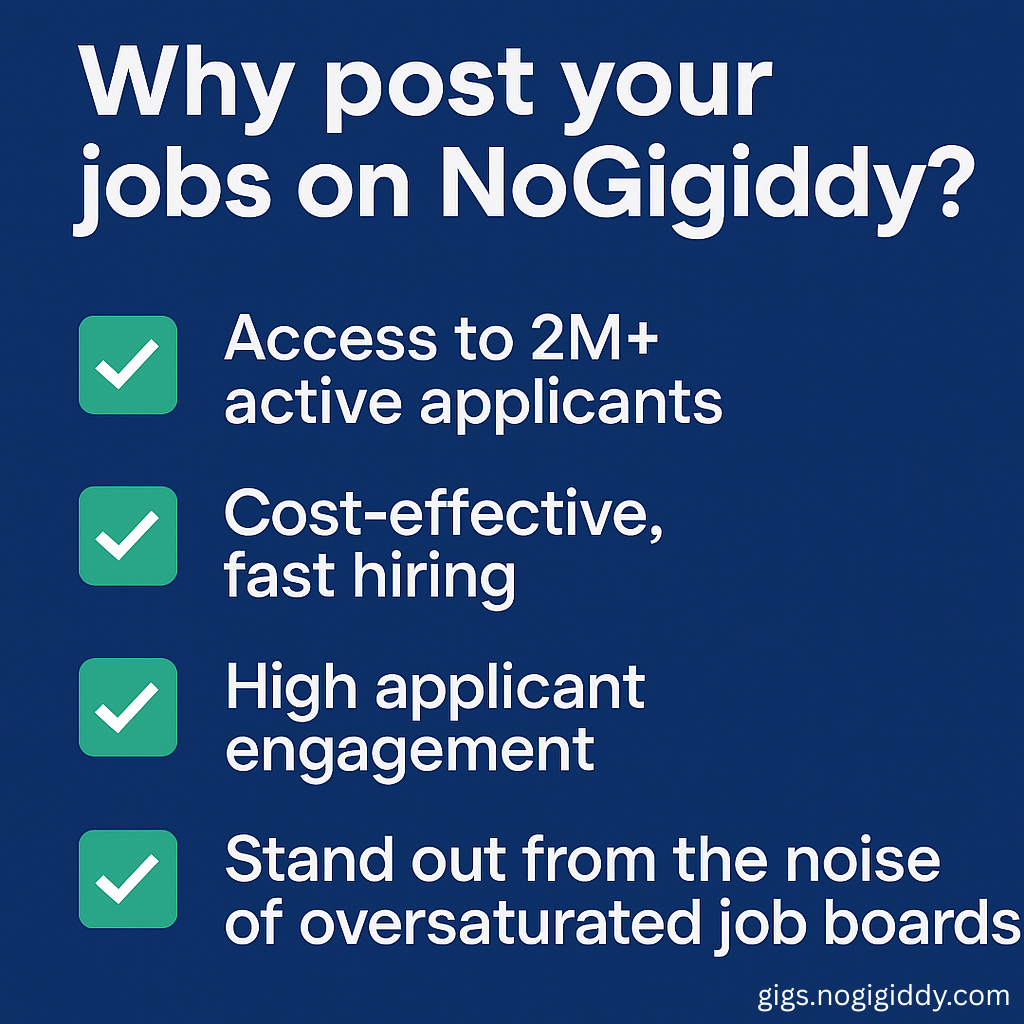
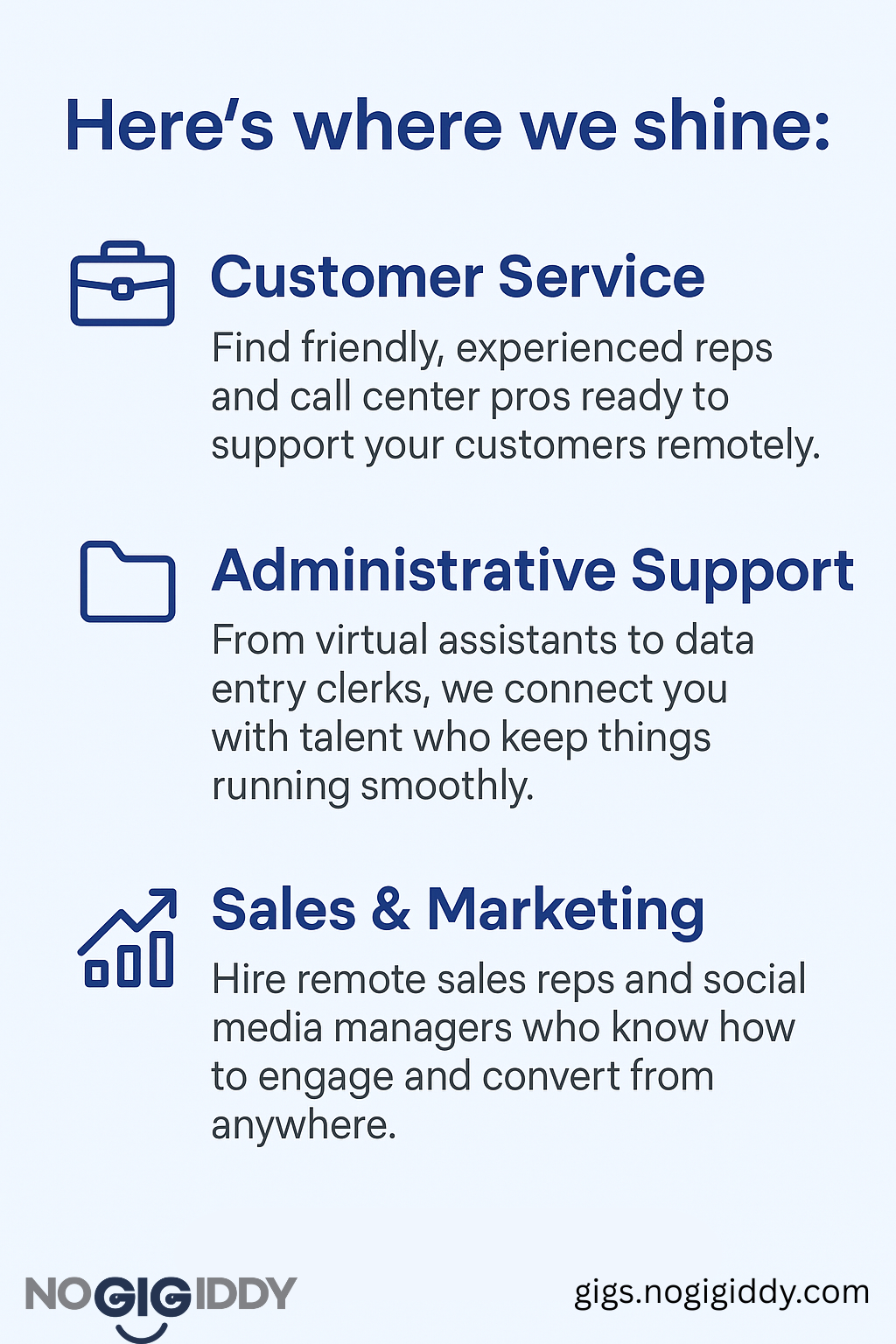
At NoGigiddy, businesses can easily find skilled remote professionals who are actively seeking opportunities and ready to contribute.
Whether you're hiring your first remote employee or expanding your distributed team, the right platform can simplify the process.
Post your first job for free today:
Find talented remote professionals and start building a team that helps your business grow.